
How to Master Time Management in College (and Stay Efficient Without Burning Out)
Time management is one of the most important skills you can develop in college. Between classes, assignments, exams, social life, and possibly a job, it’s easy to feel overwhelmed. The difference between students who thrive and those who struggle often comes down to one thing: how well they manage their time.
The good news? Time management isn’t about working harder—it’s about working smarter. With the right strategies, you can stay on top of your responsibilities, reduce stress, and even free up time to enjoy college.
Start With a Clear Weekly Plan
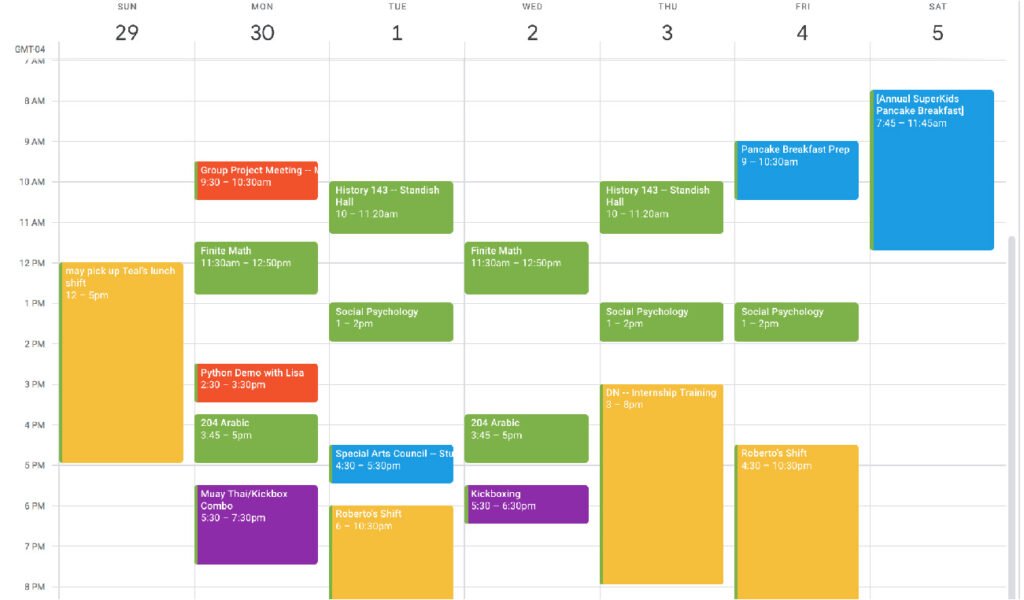
One of the biggest mistakes students make is trying to manage their time day by day. Instead, successful students plan their time week by week.
At the start of each week, map out:
- Class times
- Assignment due dates
- Exams or quizzes
- Work shifts or commitments
Seeing everything in one place gives you a clear picture of where your time is going. It also helps you avoid surprises, like forgetting about a major deadline until the last minute.
A digital calendar or planner works best because you can easily adjust it as things change.
Use Time Blocking to Stay Focused
Time blocking is a powerful technique where you assign specific blocks of time to specific tasks.
For example:
- 10:00–11:30 AM → Study for biology
- 1:00–2:00 PM → Work on essay
- 3:00–4:00 PM → Review lecture notes
This method eliminates the question of “What should I do next?” and helps you stay focused.
Instead of multitasking, which reduces efficiency, you’re giving your full attention to one task at a time.
Prioritize What Actually Matters
Not all tasks are equally important. Some assignments have a bigger impact on your grade, while others are less urgent.
A simple way to prioritize is to divide tasks into:
- High priority: Exams, major projects, deadlines
- Medium priority: Homework, readings
- Low priority: Optional tasks or light review
Focusing on high-impact tasks first ensures you’re making the most of your time.
Break Big Tasks Into Smaller Steps
Large assignments can feel overwhelming, which often leads to procrastination.
Instead of writing “Study for midterm” on your to-do list, break it down into smaller, manageable steps:
- Review chapters 1–3
- Create study guide
- Practice problems
- Quiz yourself
This makes tasks feel more achievable and helps you build momentum.
Eliminate Distractions
Your environment plays a huge role in how efficiently you work.
Common distractions include:
- Phone notifications
- Social media
- Noisy environments
To stay focused:
- Put your phone on silent or use “Do Not Disturb”
- Use apps that block distractions
- Study in a quiet space like a library
Even small interruptions can break your concentration and double the time it takes to complete a task.
Use the 80/20 Rule (Work Smarter, Not Harder)
The 80/20 rule (also known as the Pareto Principle) suggests that 80% of your results come from 20% of your efforts.
In college, this means identifying the study methods that give you the best results, such as:
- Practicing problems instead of rereading notes
- Active recall instead of passive studying
- Reviewing past exams
Focusing on high-impact study techniques allows you to learn more in less time.
Build Consistent Routines
Consistency is key to mastering time management.
When you build routines, you reduce the mental effort needed to decide what to do each day. For example:
- Study at the same time each day
- Review notes after every class
- Plan your week every Sunday
These habits create structure and make productivity feel natural instead of forced.
Don’t Overload Your Schedule
Trying to do too much at once can lead to burnout.
It’s important to be realistic about how much you can handle. Taking on too many classes, commitments, or responsibilities can reduce your efficiency and hurt your performance.
Instead, aim for a balanced schedule where you can stay productive without feeling overwhelmed.
Take Breaks to Stay Productive
It might seem counterintuitive, but taking breaks actually improves efficiency.
Techniques like the Pomodoro Method (25 minutes of work followed by a 5-minute break) help maintain focus and prevent mental fatigue.
Short breaks allow your brain to reset, making it easier to stay productive over longer periods.
Track Your Progress
Finally, regularly check in with yourself to see how you’re doing.
Ask questions like:
- Am I meeting deadlines?
- Am I feeling overwhelmed?
- What’s taking up most of my time?
Tracking your progress helps you identify what’s working and what needs improvement.
Final Thoughts
Mastering time management in college isn’t about being perfect—it’s about being intentional with your time.
By planning ahead, prioritizing effectively, and eliminating distractions, you can stay organized, reduce stress, and perform at your best.
The earlier you develop these habits, the more successful—and enjoyable—your college experience will be.